




Site by HIRRO
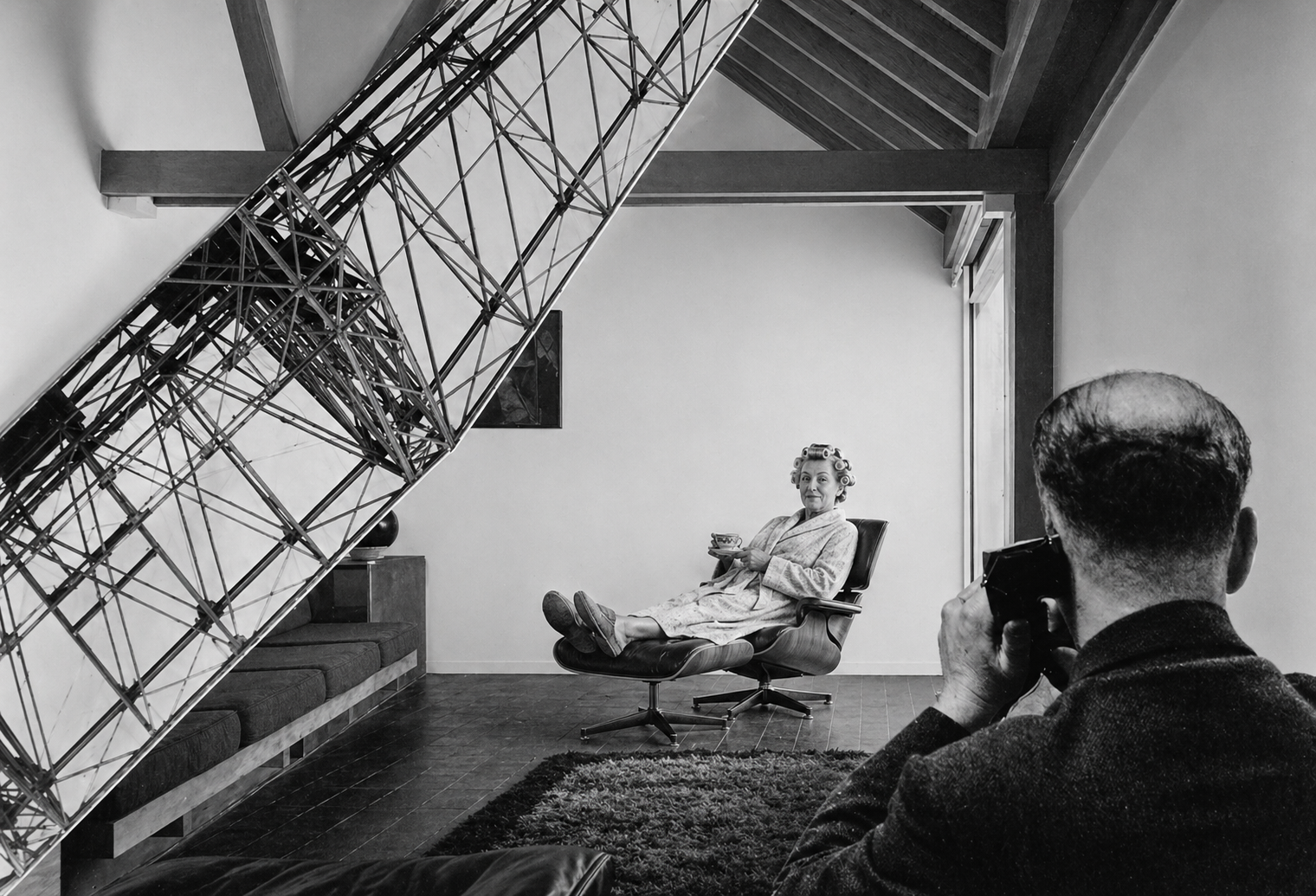
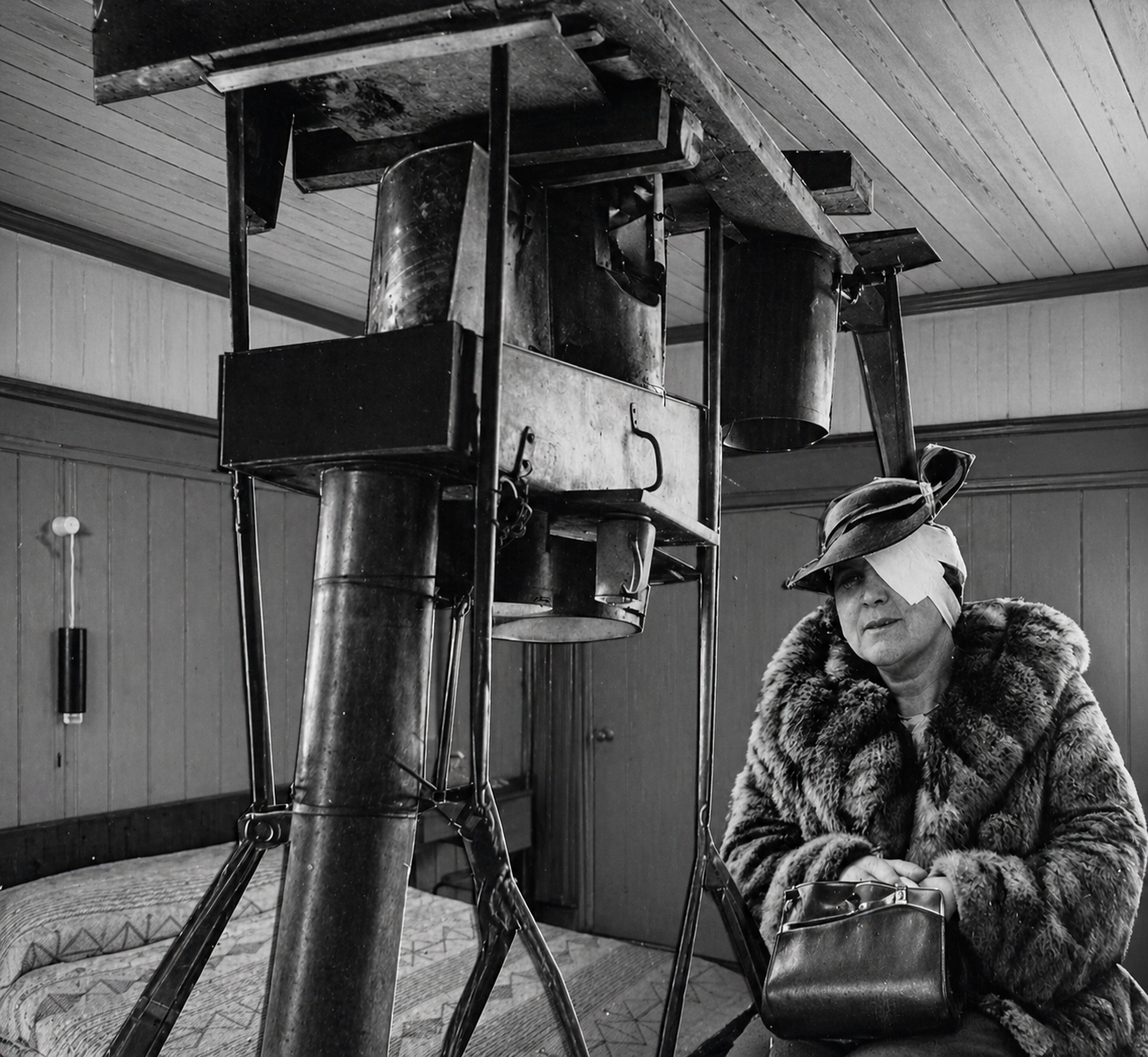
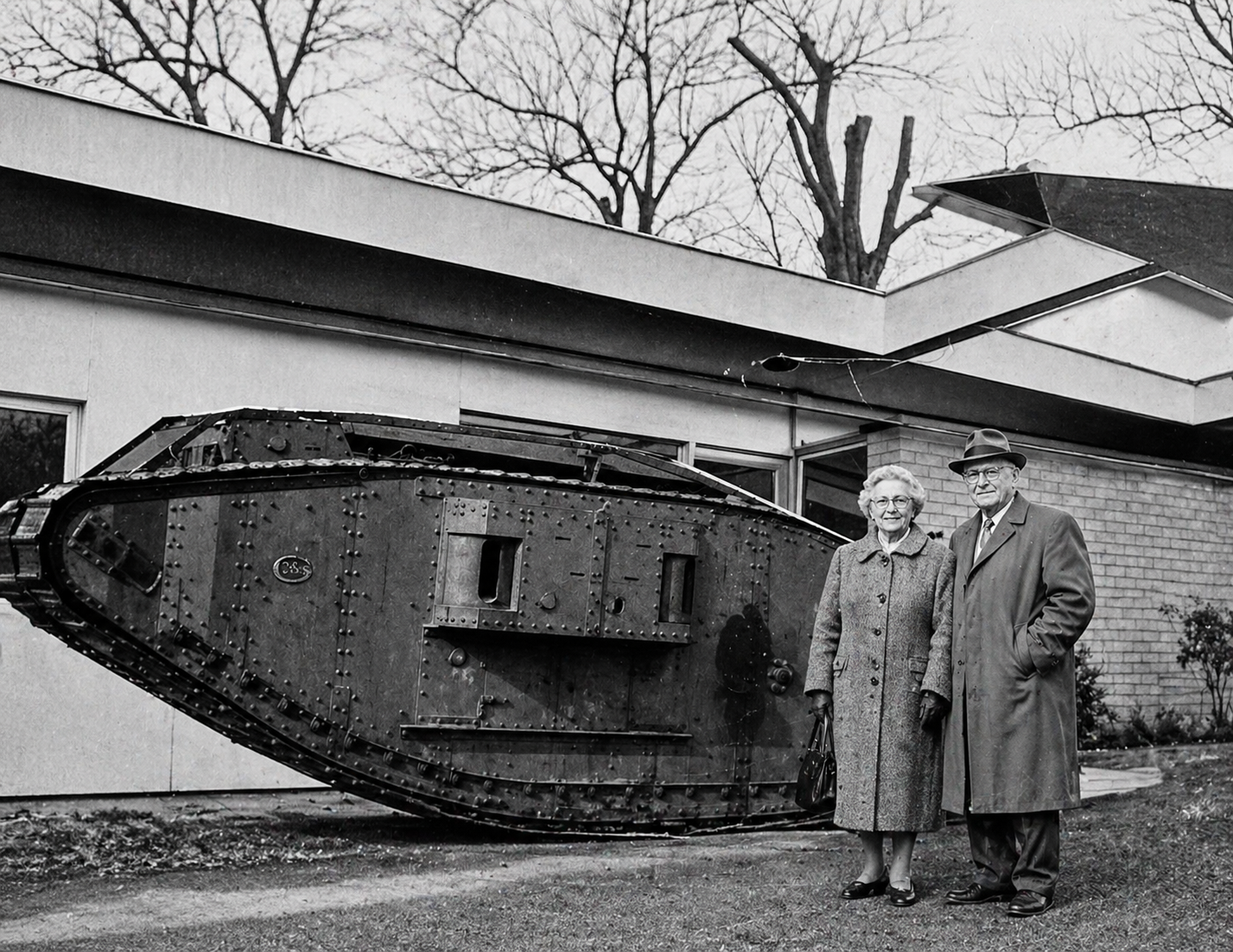
The Good Neighbour Plan
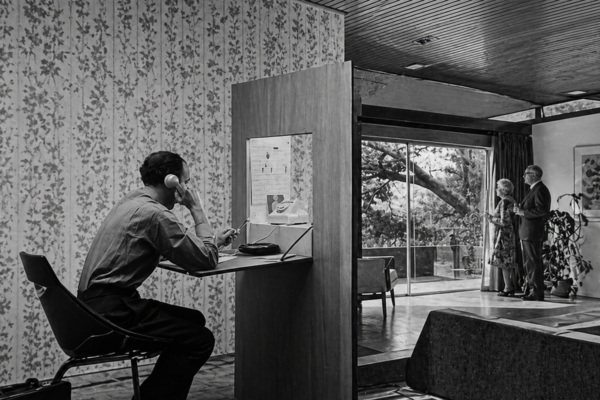
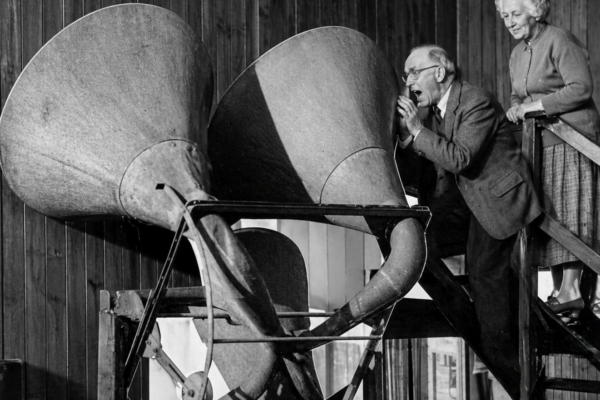
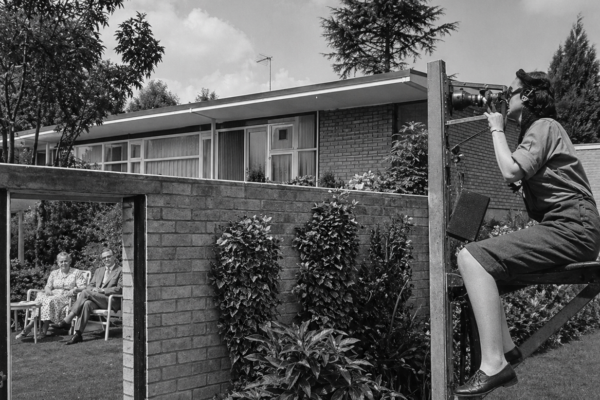
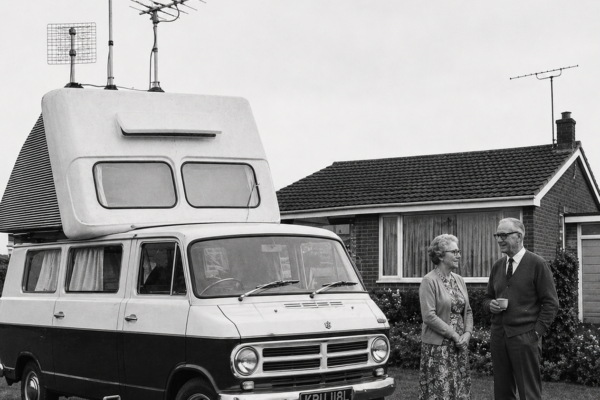
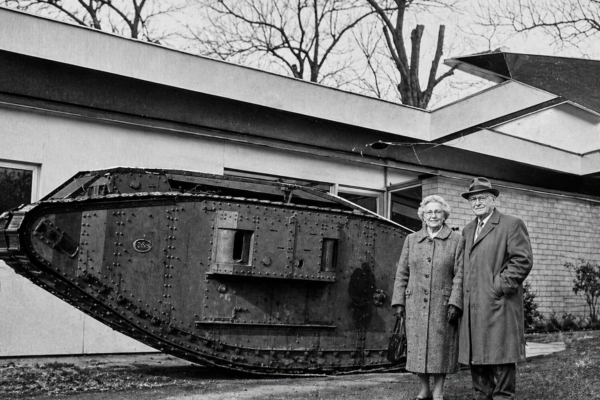
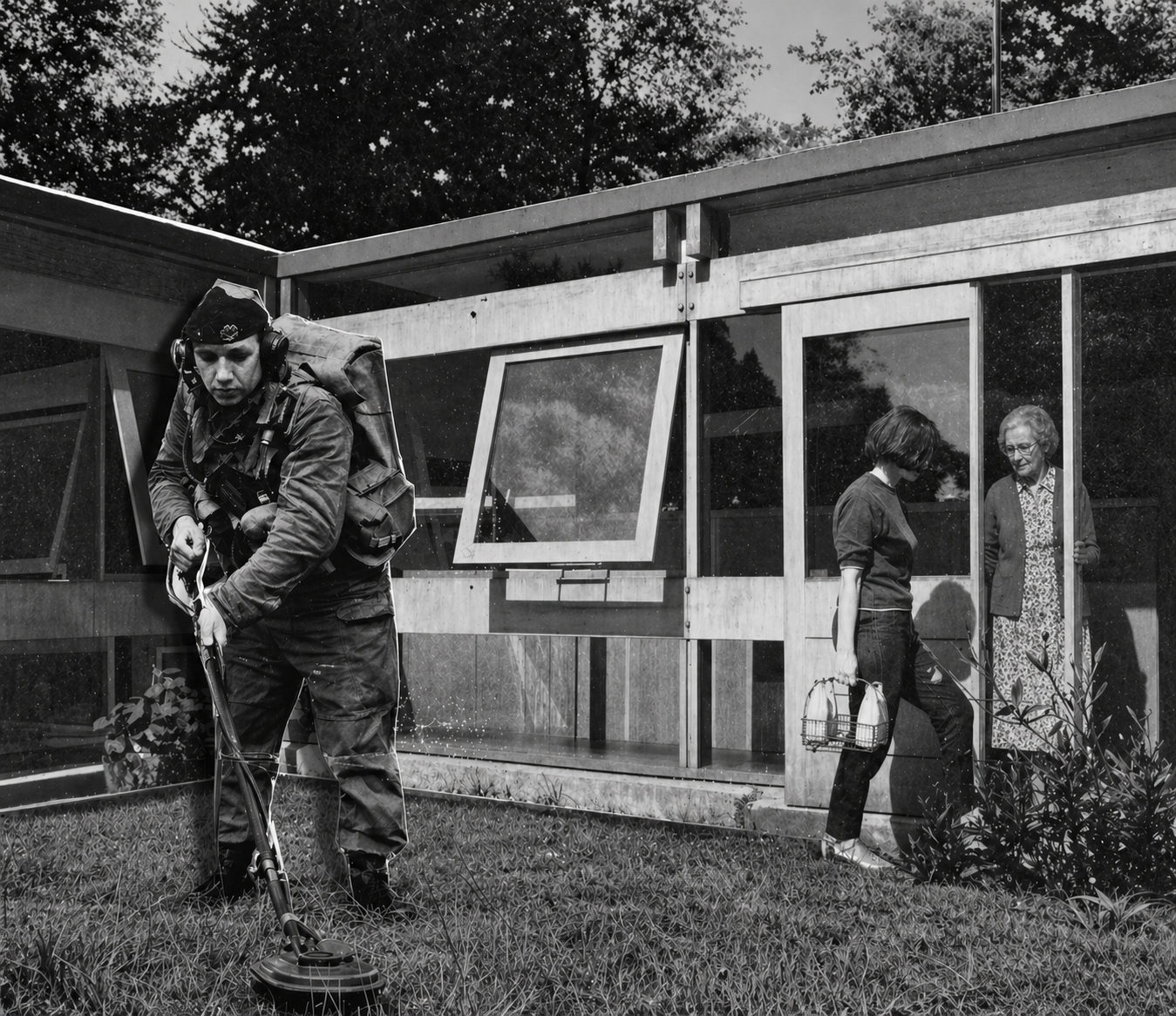
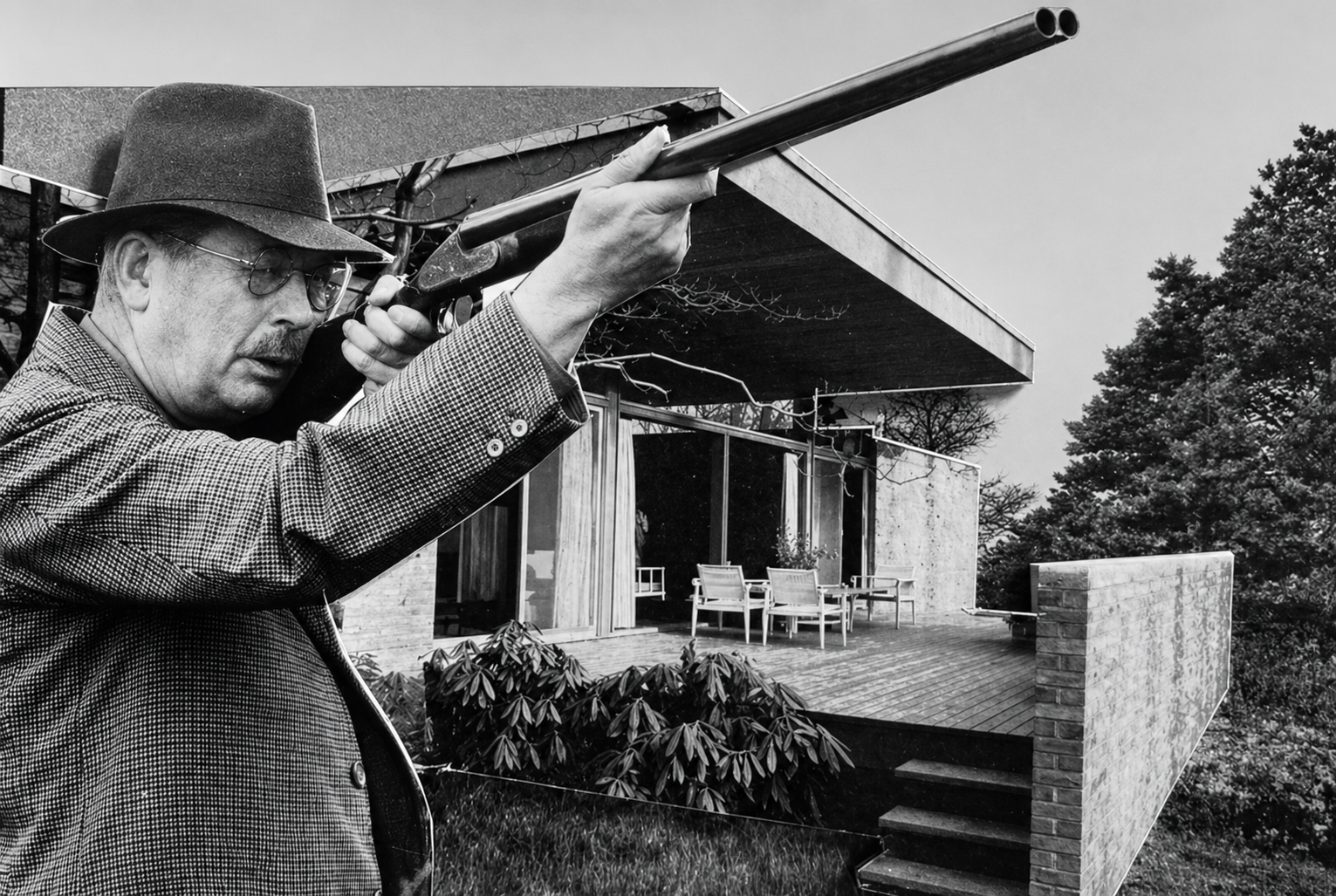
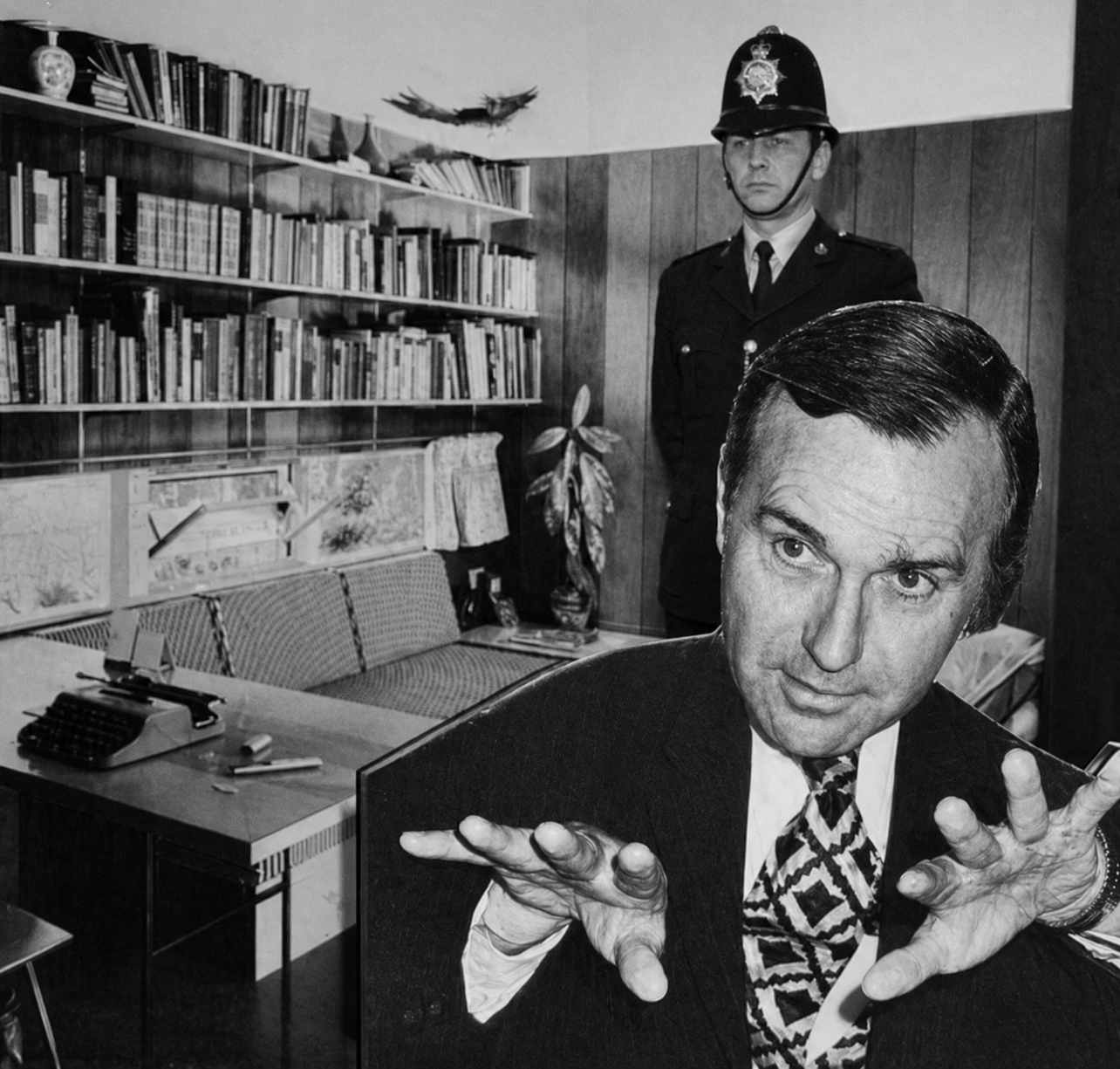
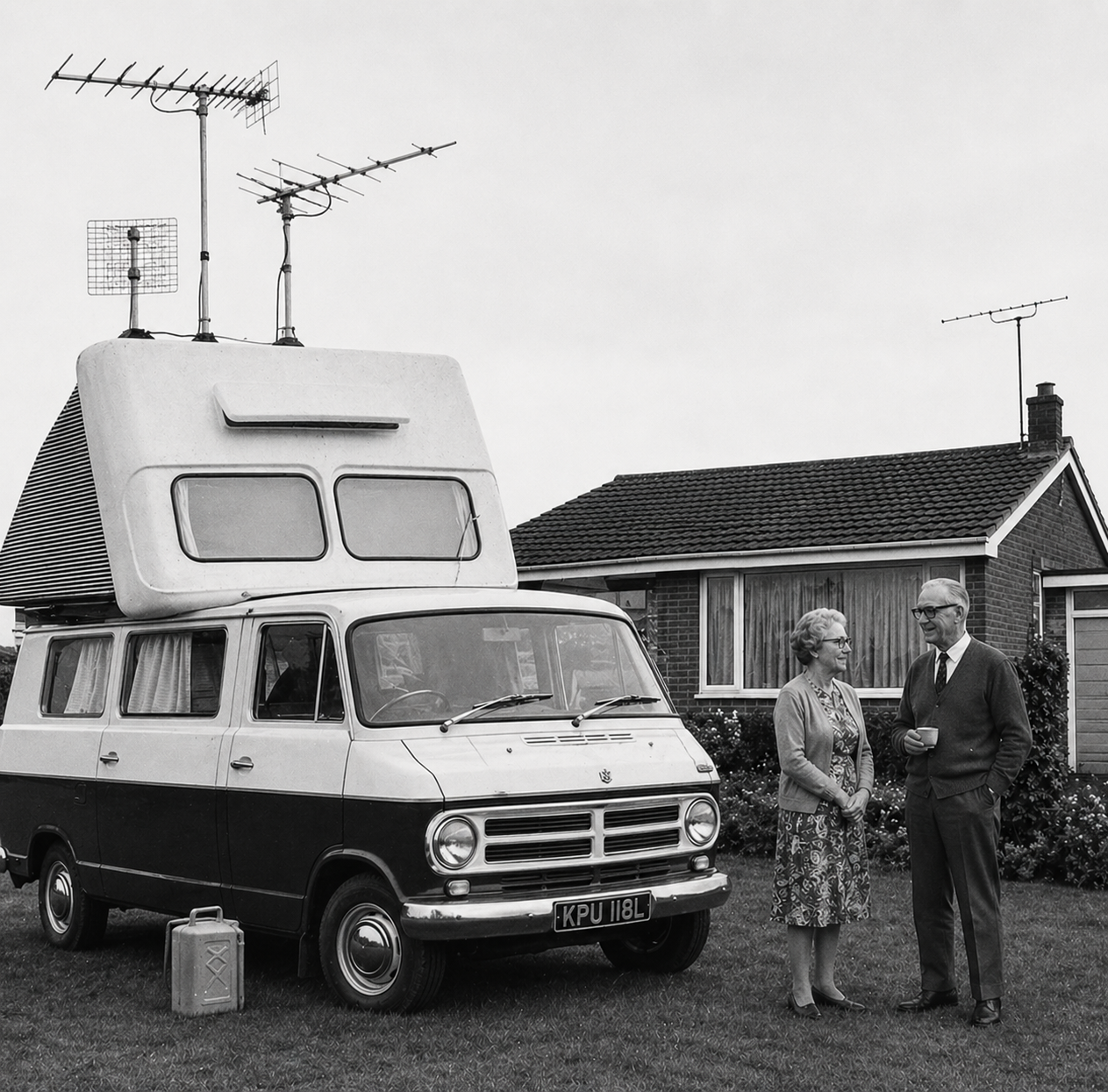
In 1972, Britain faced a housing crisis defined by poor-quality accommodation, a shortage of suitable homes for young families, rising living costs and increasing isolation among older generations.
Against the optimistic backdrop of postwar social reform, where government policy sought not only to improve housing but to reshape patterns of community and care, the Good Neighbour Plan was introduced.
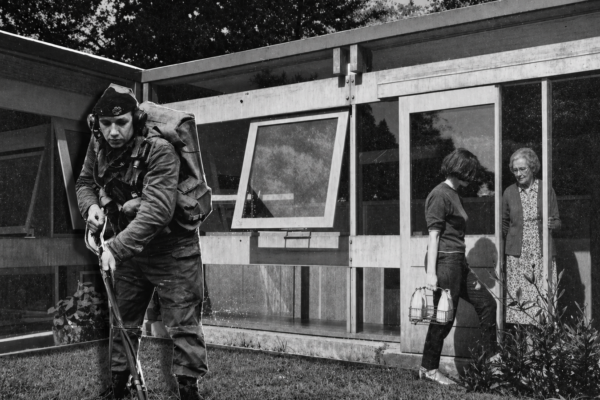
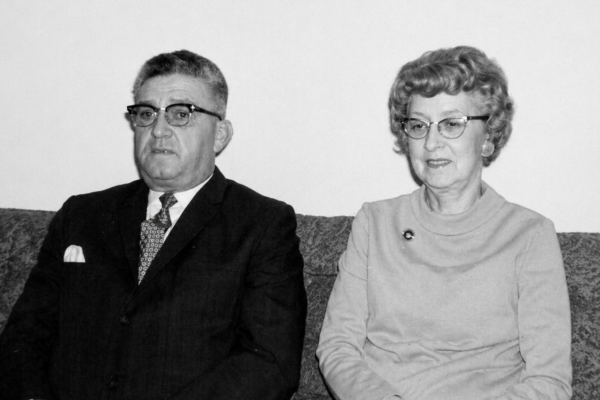
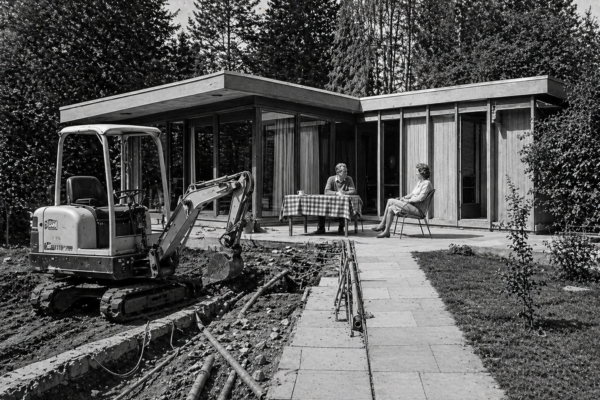
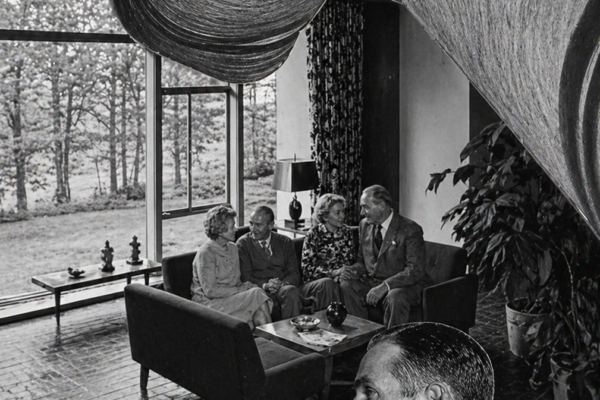
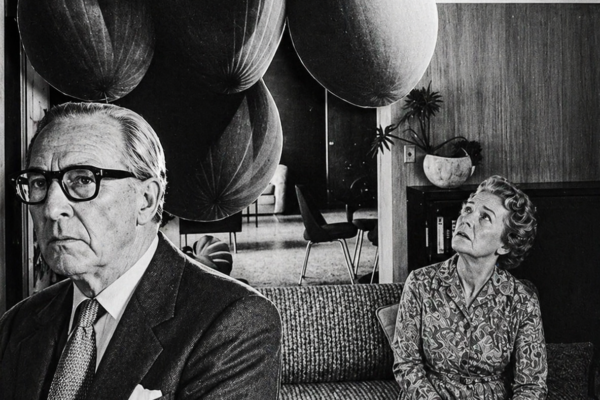
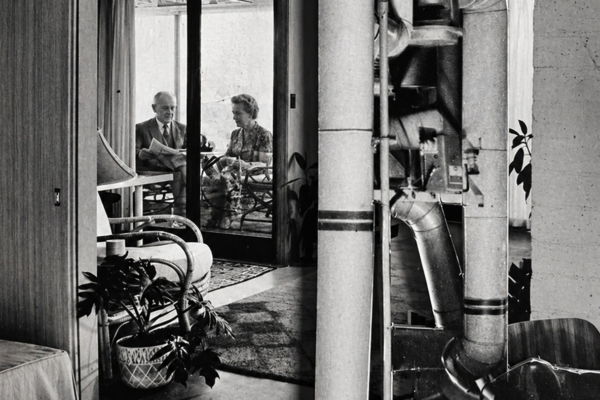
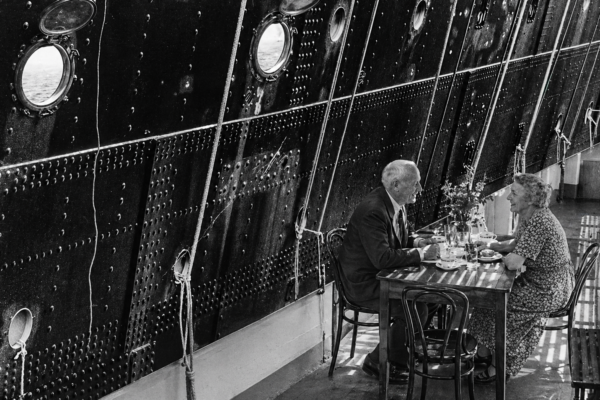
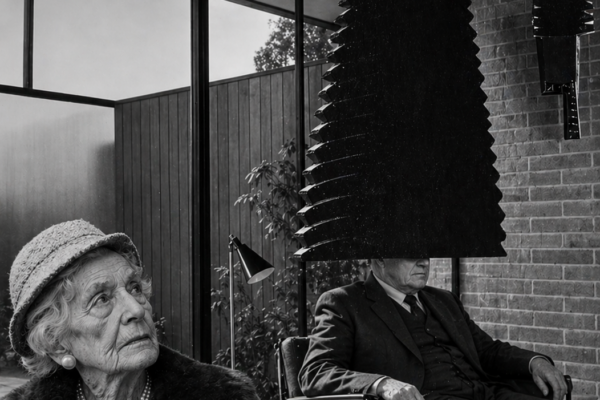
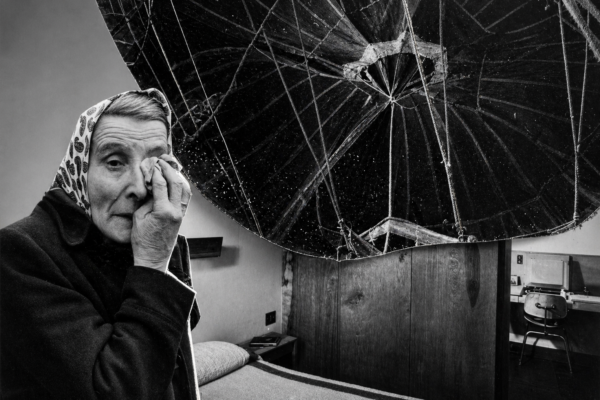
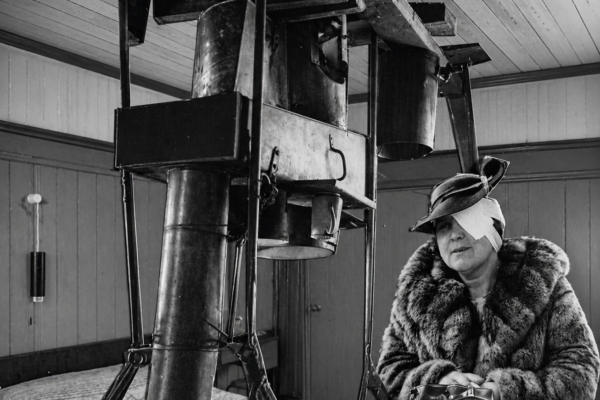
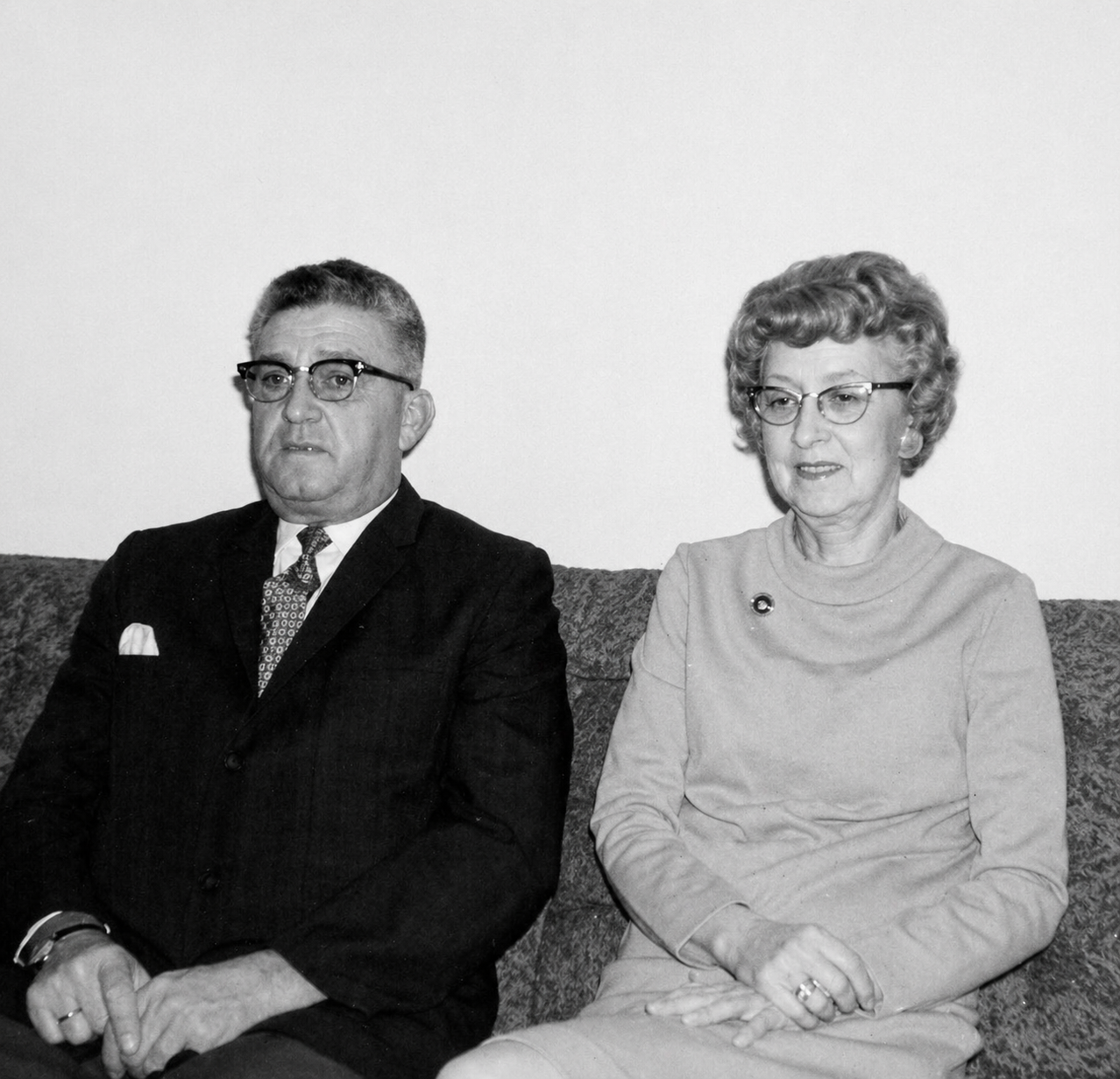
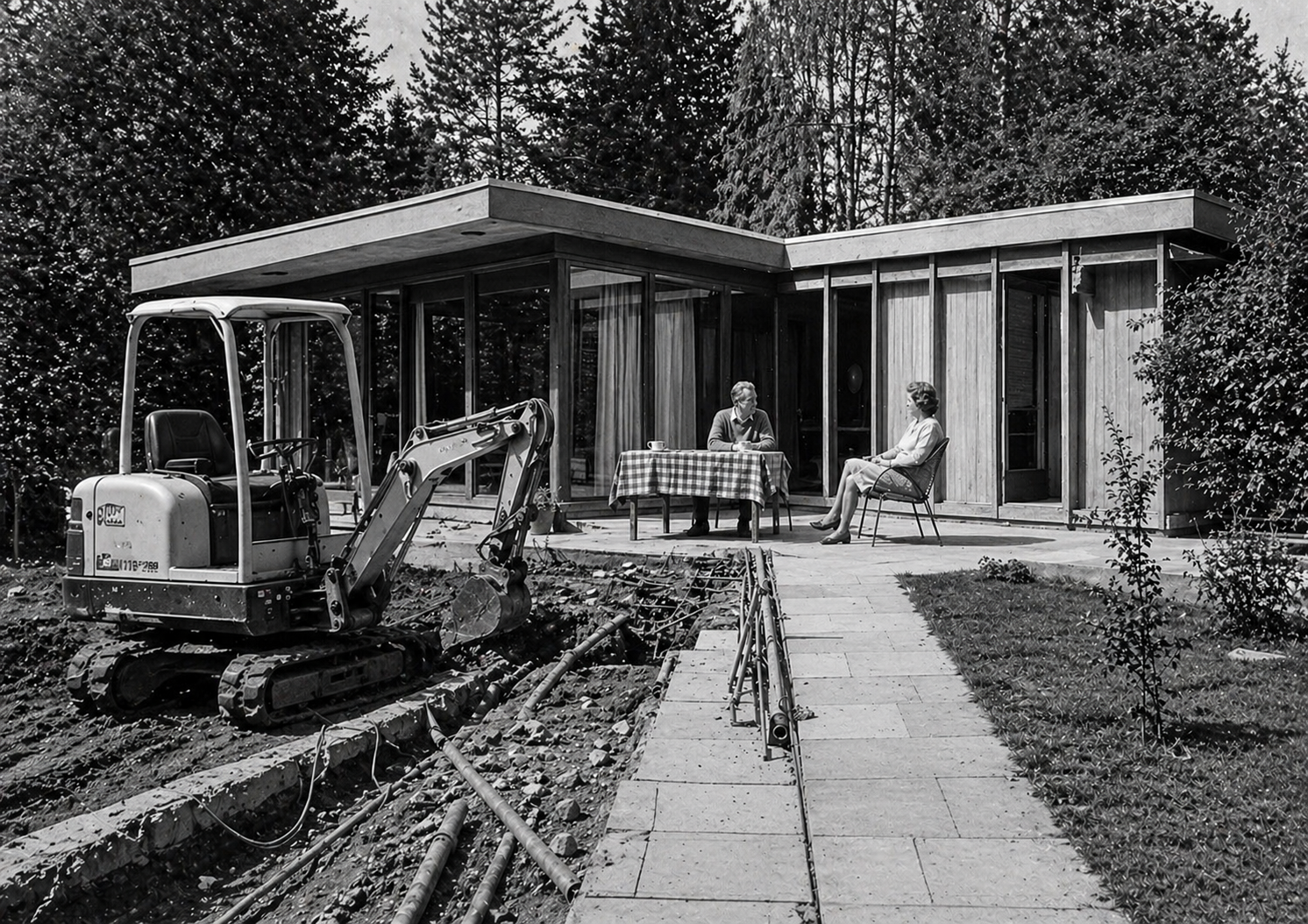
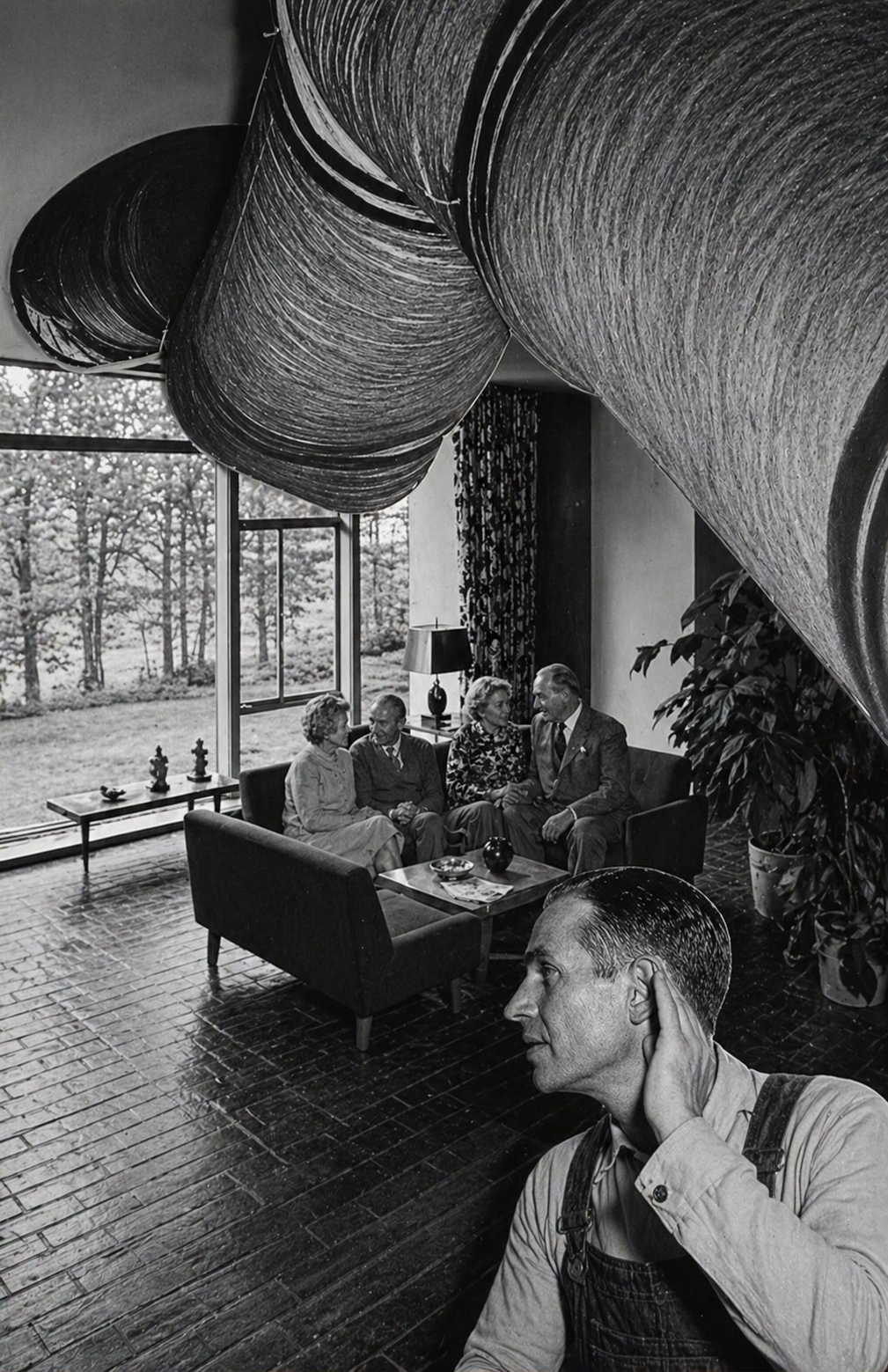
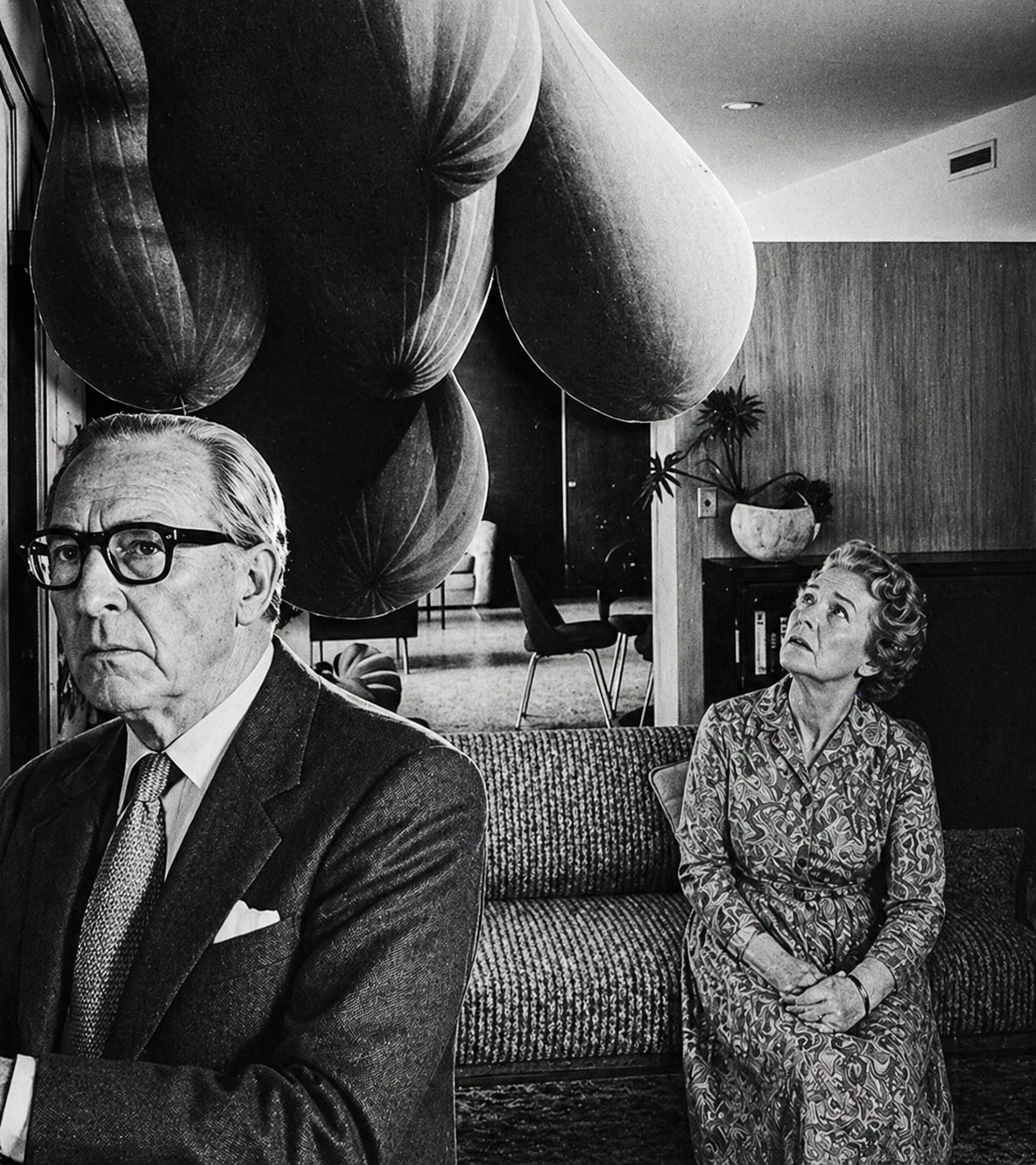
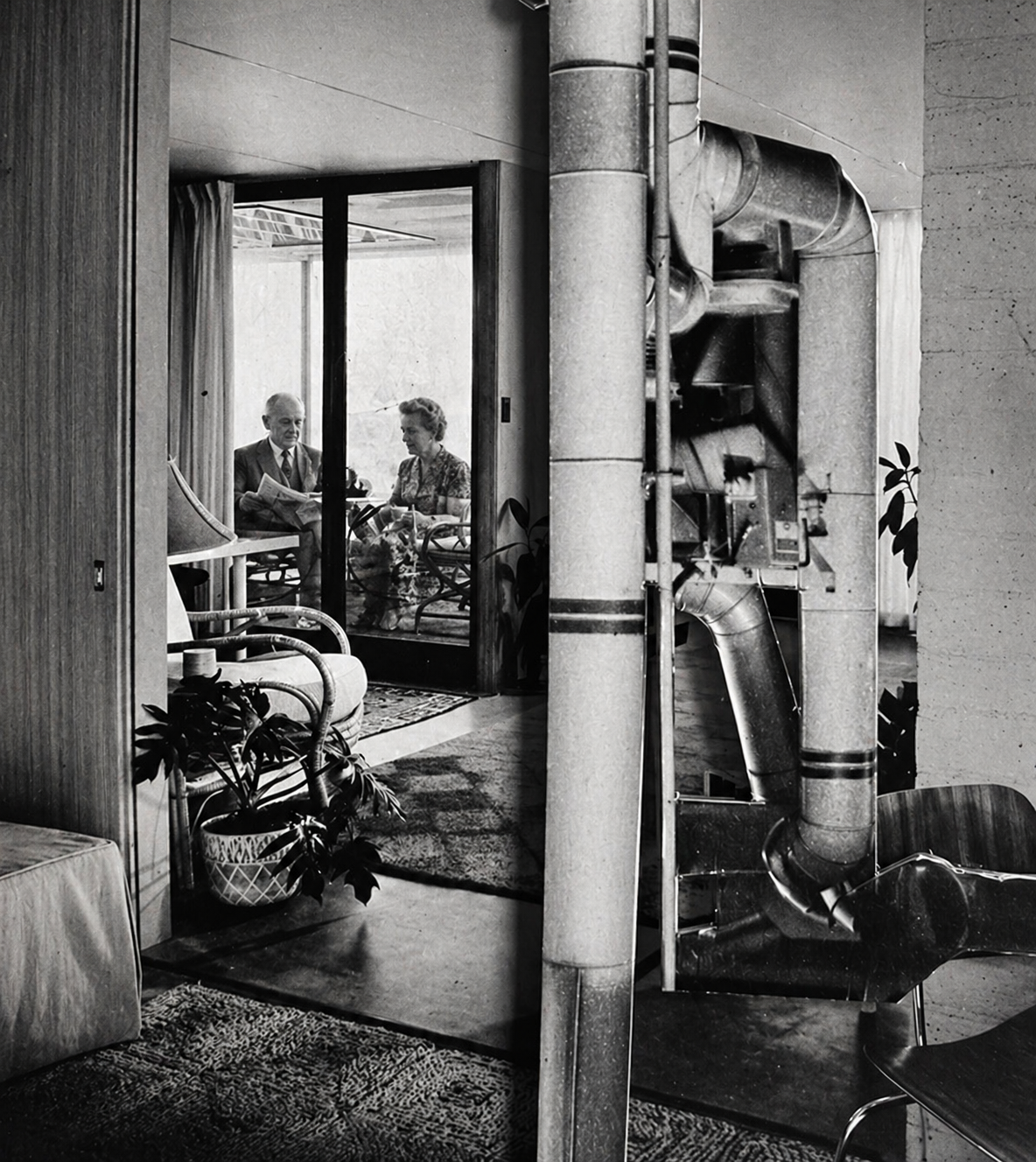
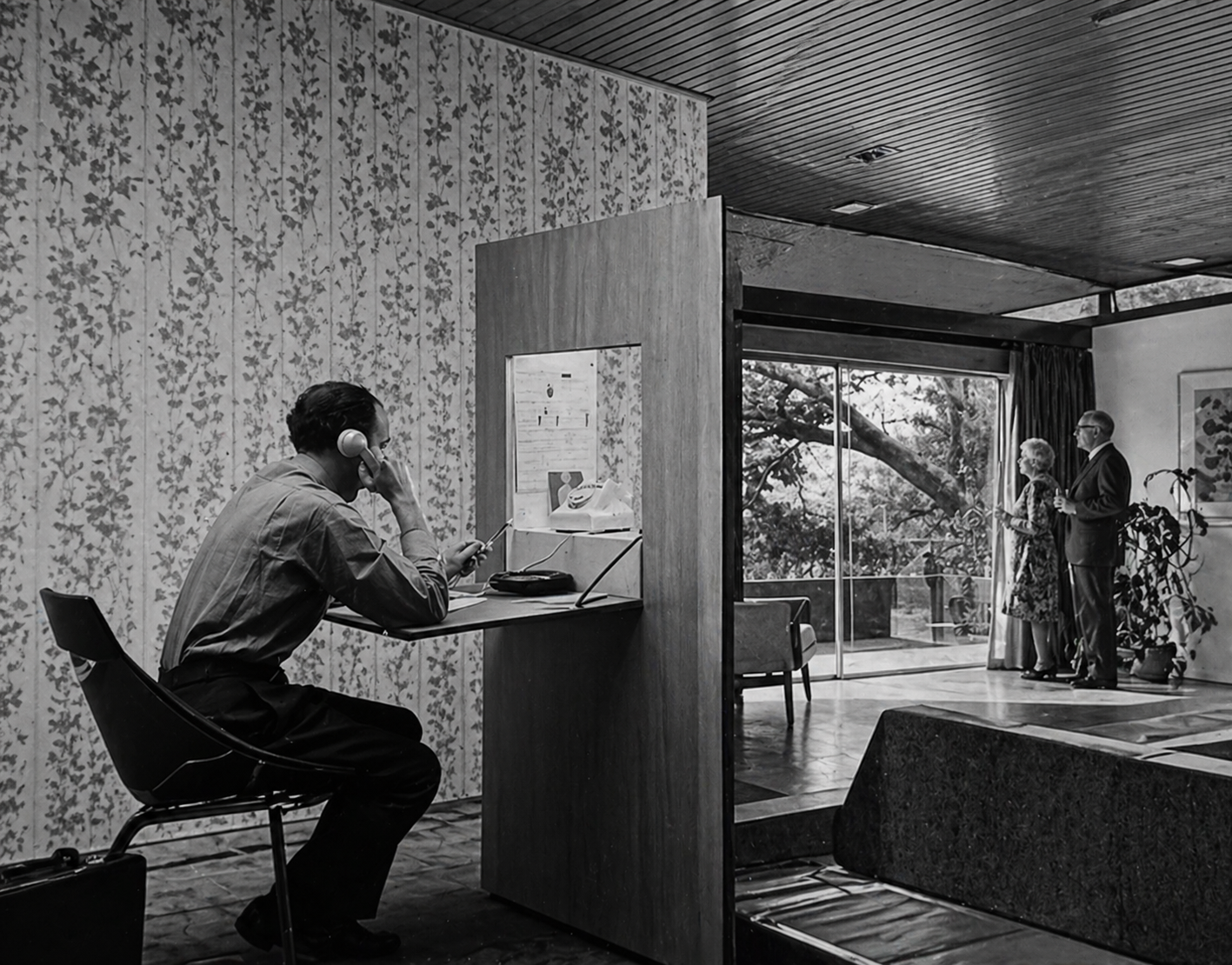
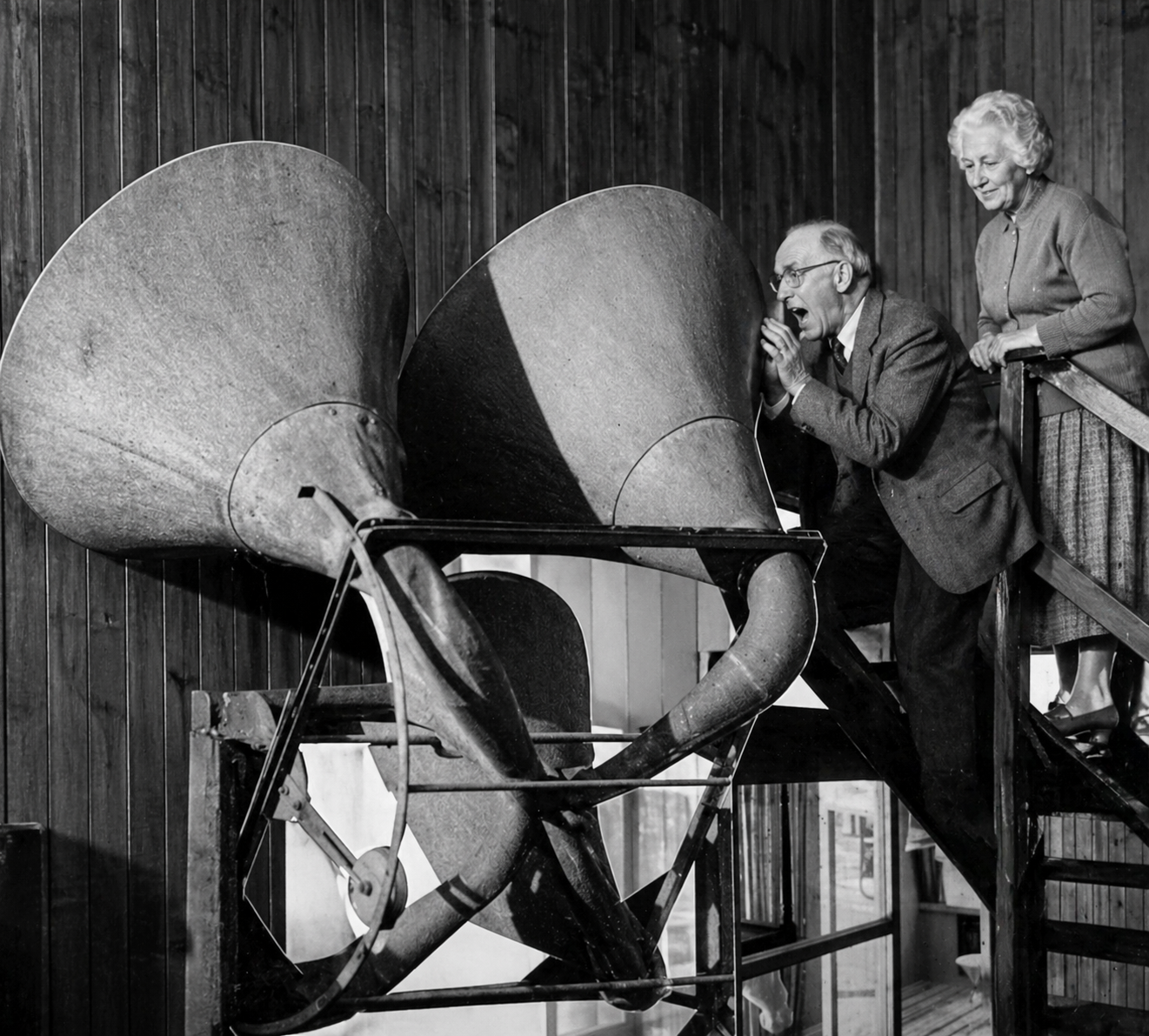
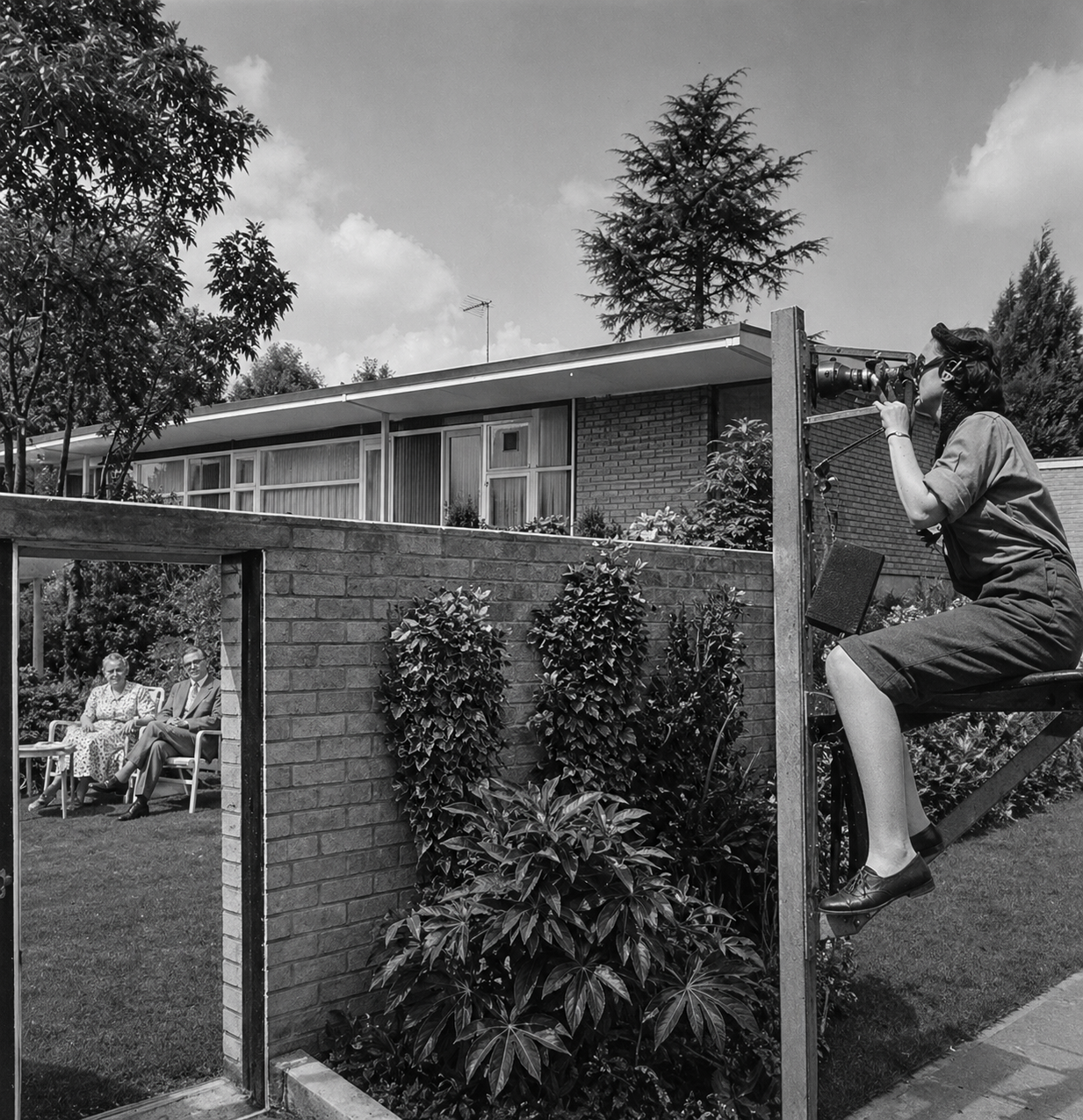
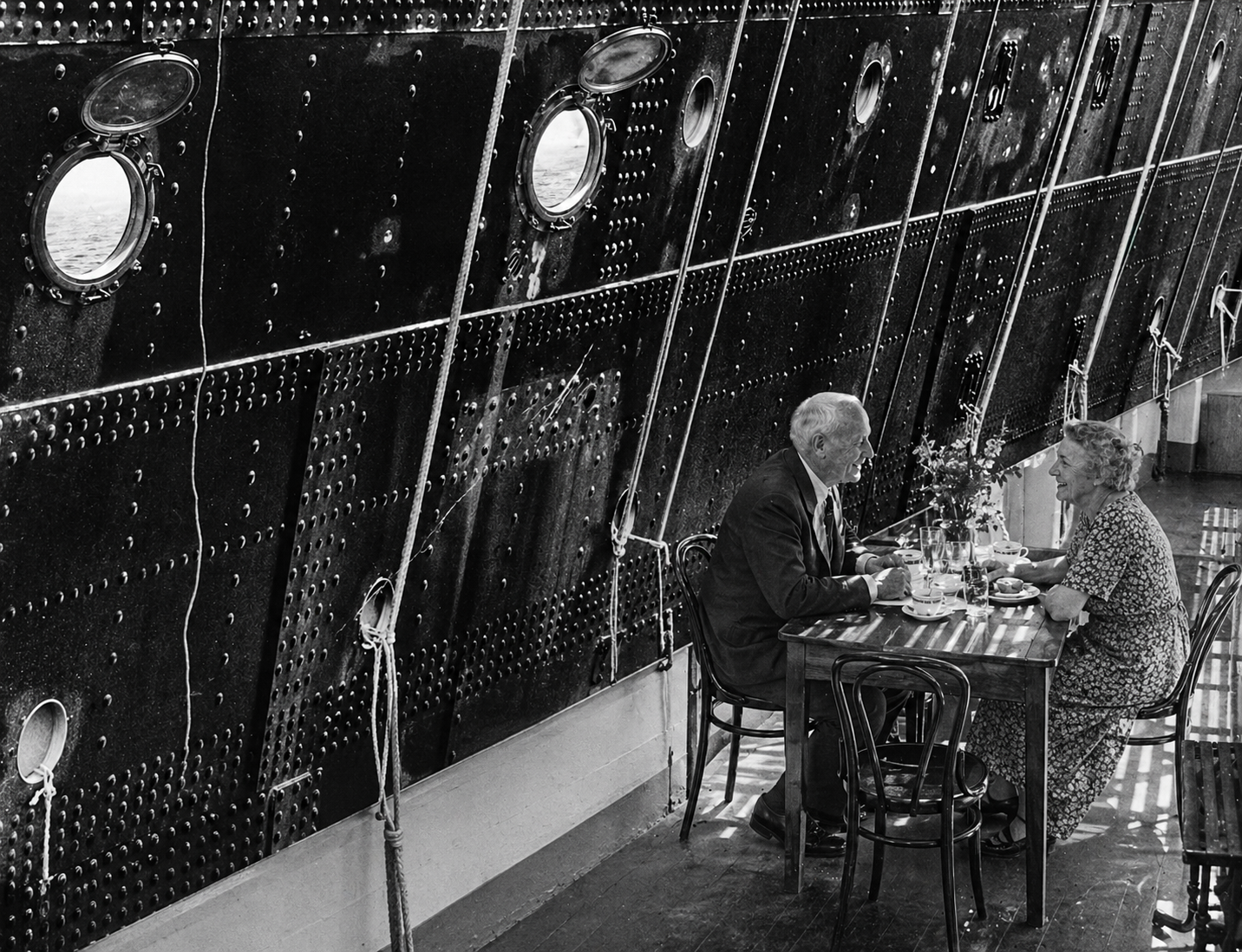
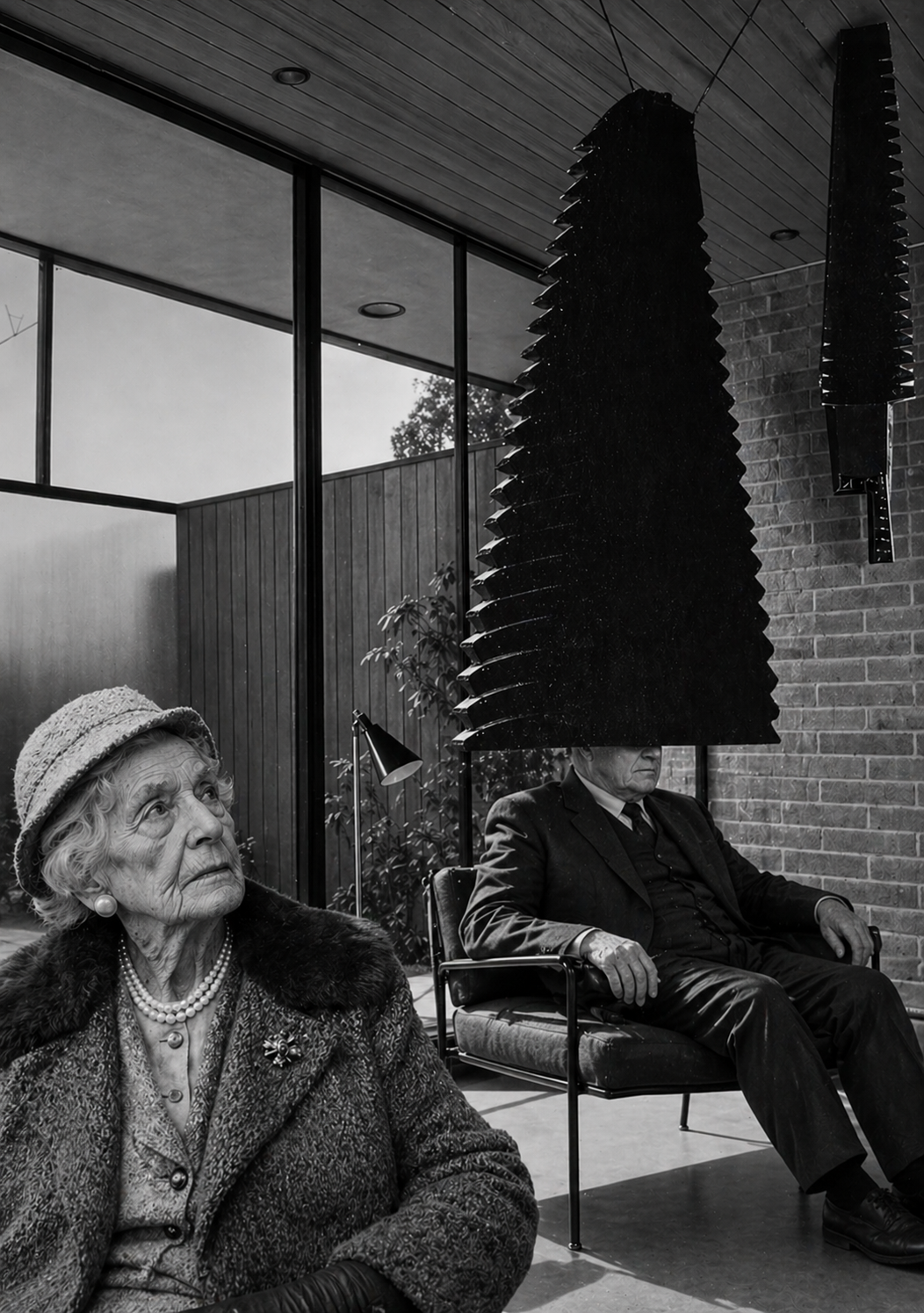
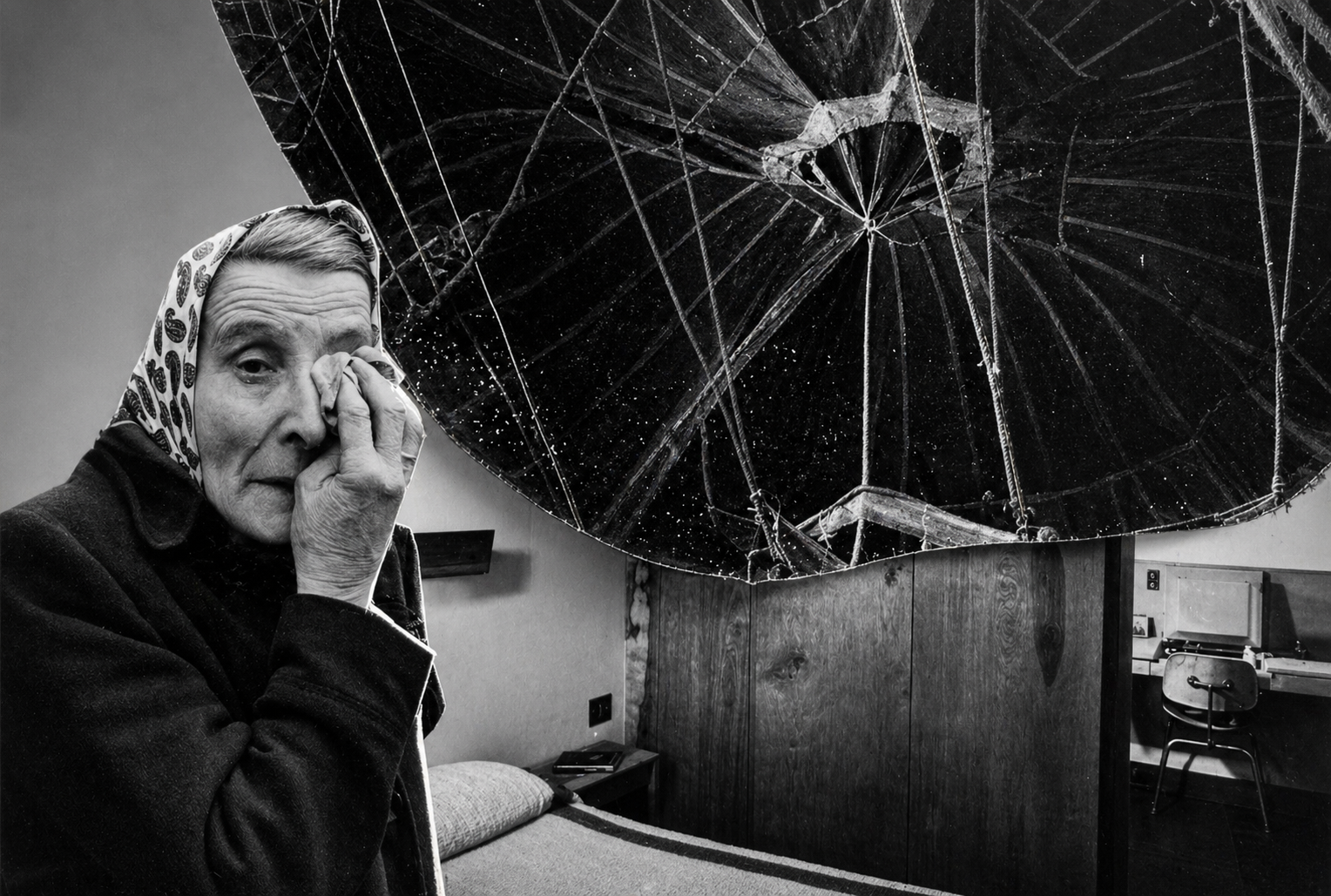
Under the scheme, older people living alone were encouraged—and, in many cases, required—to move in with other elderly residents who were under occupying their homes, forming shared households that addressed loneliness while releasing thousands of family homes back into circulation. Vacated properties were then allocated to young working-class families, with state and local authorities overseeing the transition. The project explores the social and domestic consequences of this ambitious reorganisation of everyday life.
The initiative’s claimed aims were to relieve the country’s chronic housing shortage whilst simultaneously addressing the crisis of loneliness.